27 years’ of experience
Bog mats to suit your every requirement
Competitive hire & sales rates
Fast response and delivery throughout the UK & Europe
Hiab off-loading & Crossrail compliant vehicles
Stock available from our London, Manchester & Edinburgh depots
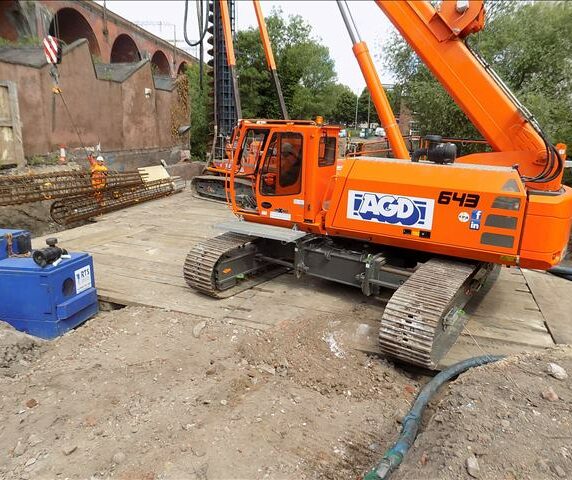
What Are Crane Pads?
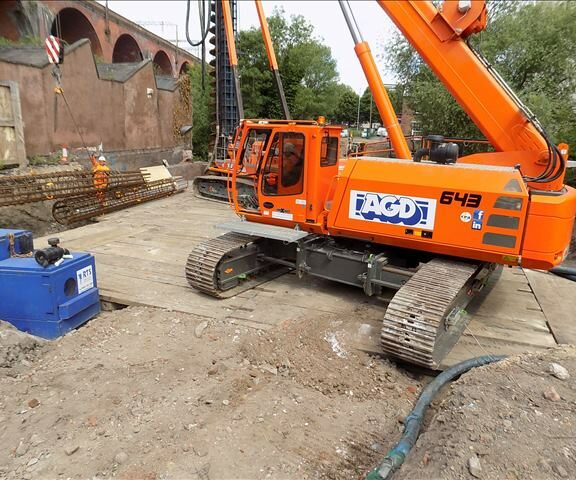
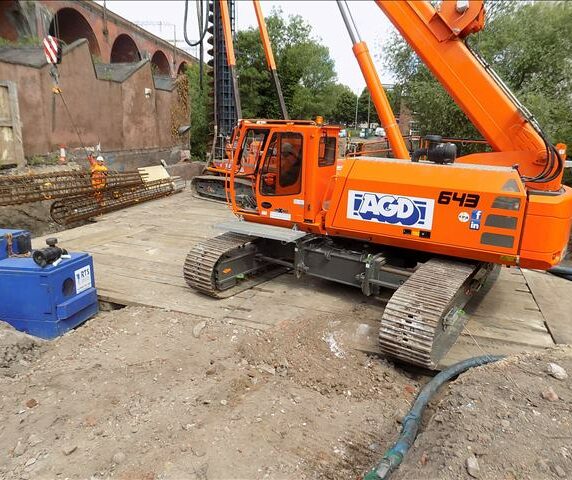
Crane mats are heavy-duty, solid surfaces that allow you to build strong, stable, durable roadway, walkway or working platforms for cranes.
If the ground you’re working on is unlevel or soft, there’s a risk the crane will become unstable or tip over. Effective use of crane mats mitigates this, allowing you to work in complete confidence.
Even if the ground is stable, crane mats can still play a vital role in your project by providing an additional layer of protection. This will reduce any damage caused over the course of your project, making clean-up easier and allowing for faster environmental recovery.
We also provide Piling Rig Mats and Demolition Protection Mats for other heavy-duty projects. For general access or lighter-duty protection, explore our Ground Protection Mats and Temporary Roadways.
What Guidelines Should You Follow When Using A Crane With Outriggers?
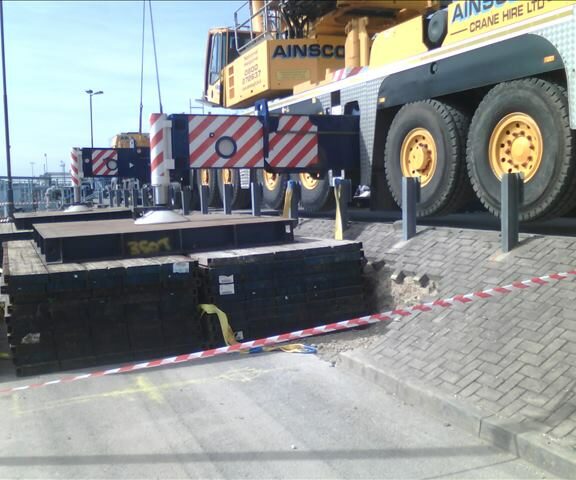
Outriggers effectively increase the base area of a crane, spreading the pressure over a wider area and offsetting any lateral movement in the centre of gravity.
When using a crane with outriggers, the vehicle should be placed on flat, level, and solid ground, to ensure the forces are distributed evenly in line with any calculations made ahead of the lifting operation.
If the lifting vehicle is equipped with outriggers, these should always be used. Where the ground is not level, or the ground surface is considered too fragile to support outriggers, it may be possible to use outrigger pads to compensate.
Even where the ground is solid and level, it is sensible to use outrigger mats as a precaution, to prevent the outriggers from puncturing the ground surface and emerging into any undetected voids below.
What Is The Preferred Type Of Outrigger Pad Support?
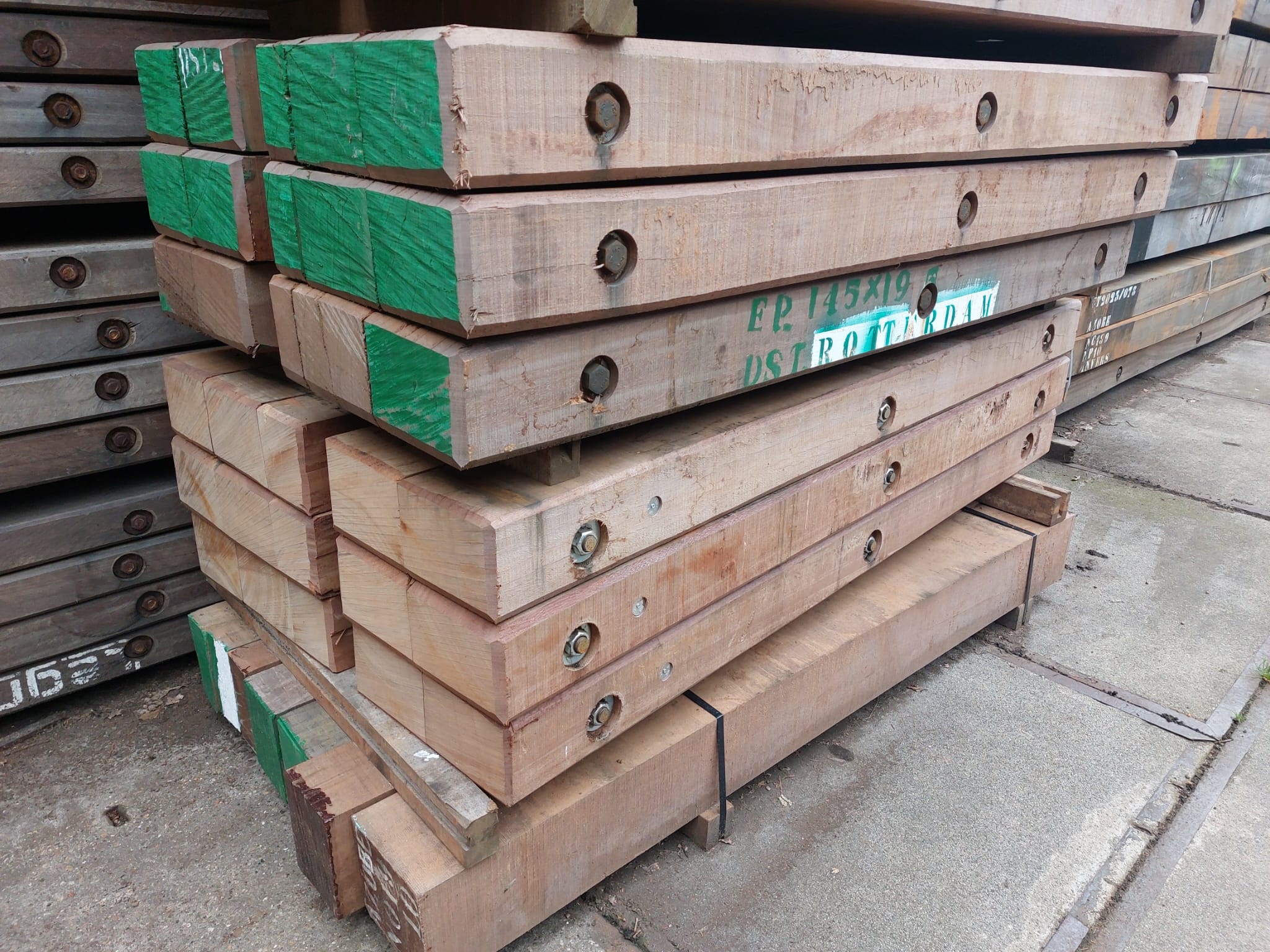
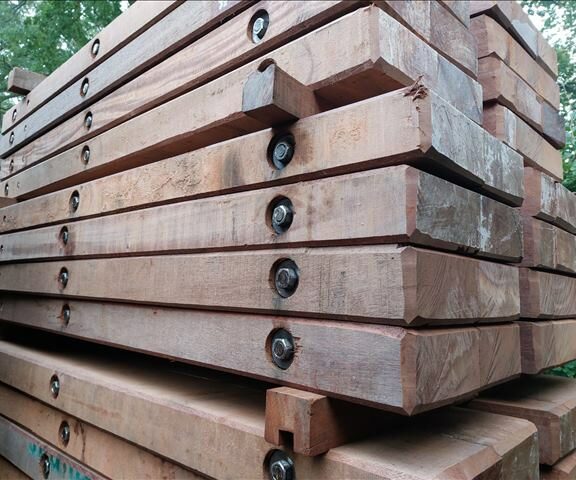
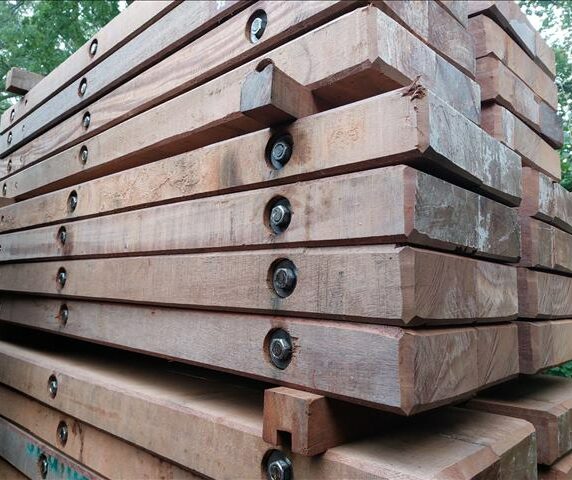
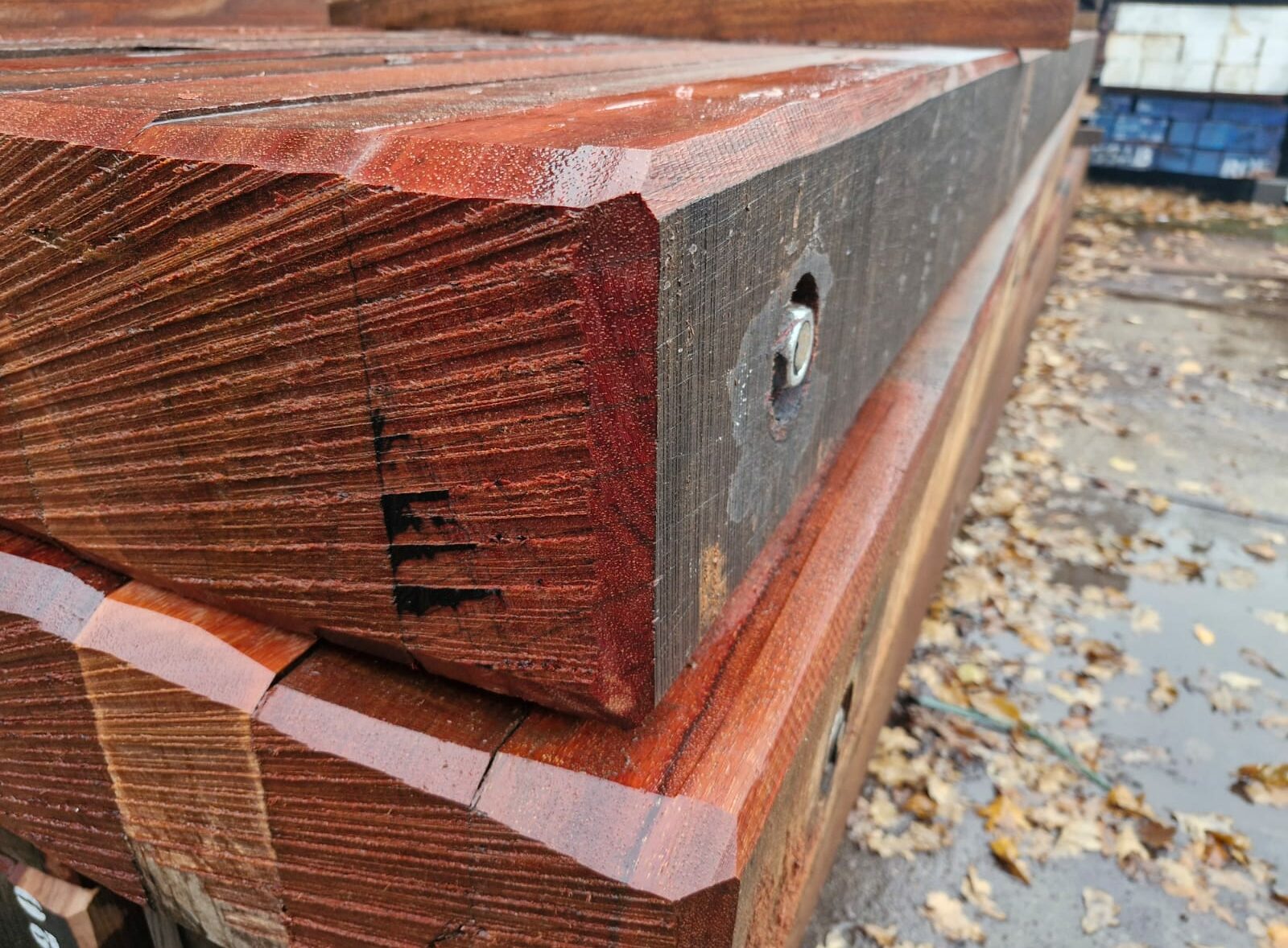
Tropical hardwood mats make excellent outrigger pads. Their dense grain means they are able to withstand significant pressure, yet as a natural material, wood is also able to flex to absorb the strain.
As a result of this, hardwood outrigger pads can deform slightly to better distribute the extreme downward forces applied to them during a lifting operation.
Hardwood timber mats are available in thicknesses from 70mm up to 200-300mm and in sizes of 1×3, 1×5 and 1×6 metres as standard, with several species of timber to choose from to suit the project you need to work on. For a breakdown of timber strength and expected lifespan, see our Timber Mats Durability Classes guide.
Timber mats are affordable and are available to hire as well as to purchase. Their value against other products means they should not affect your site insurance, or cause you concern when away from site, and large numbers of mats can be laid alongside one another to build lifting platforms for even exceptionally large crane vehicles.
You can also view our Bog Mats Overview for a complete look at the products we offer.
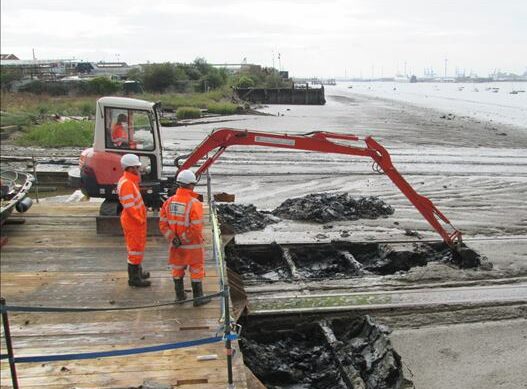
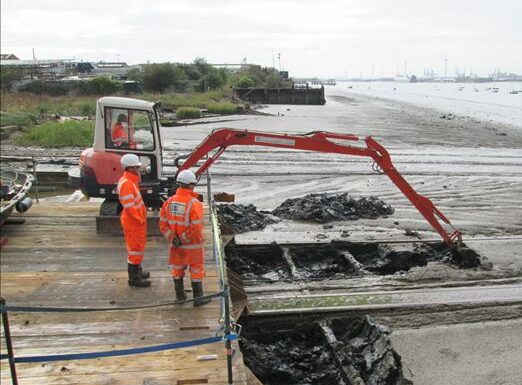
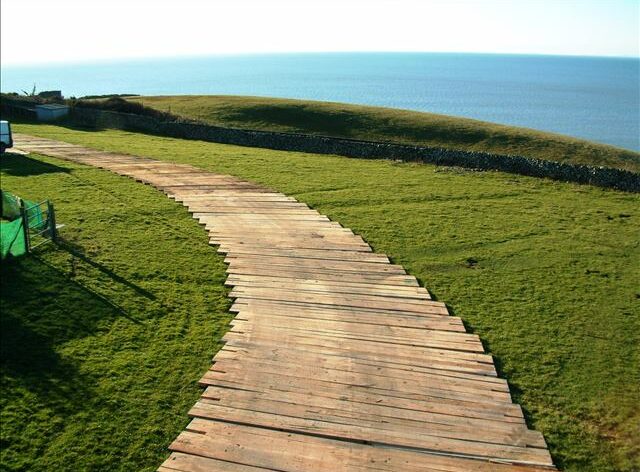
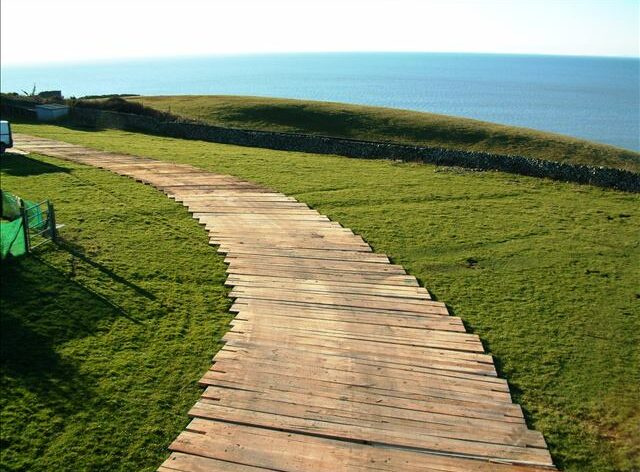
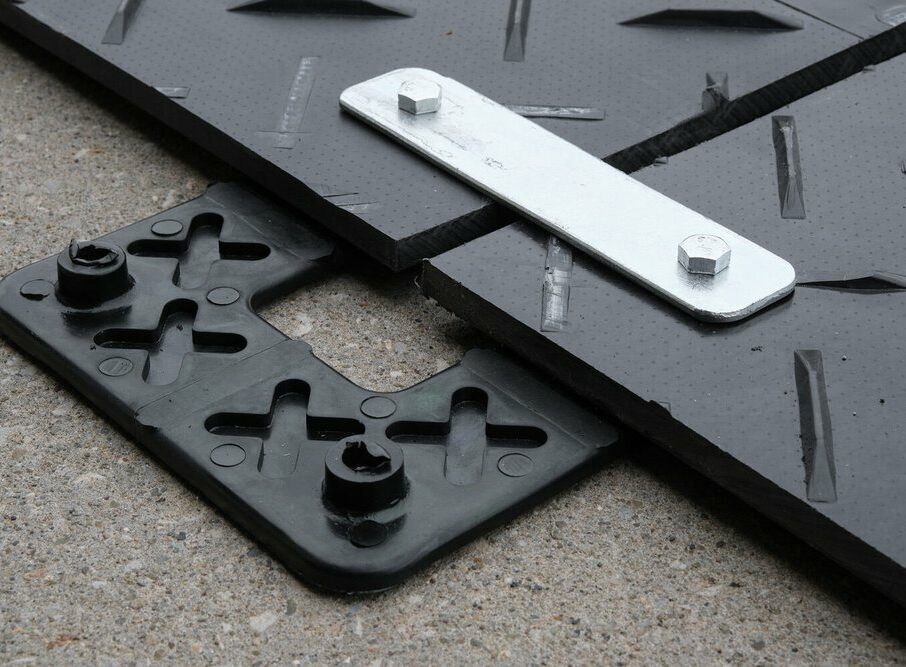
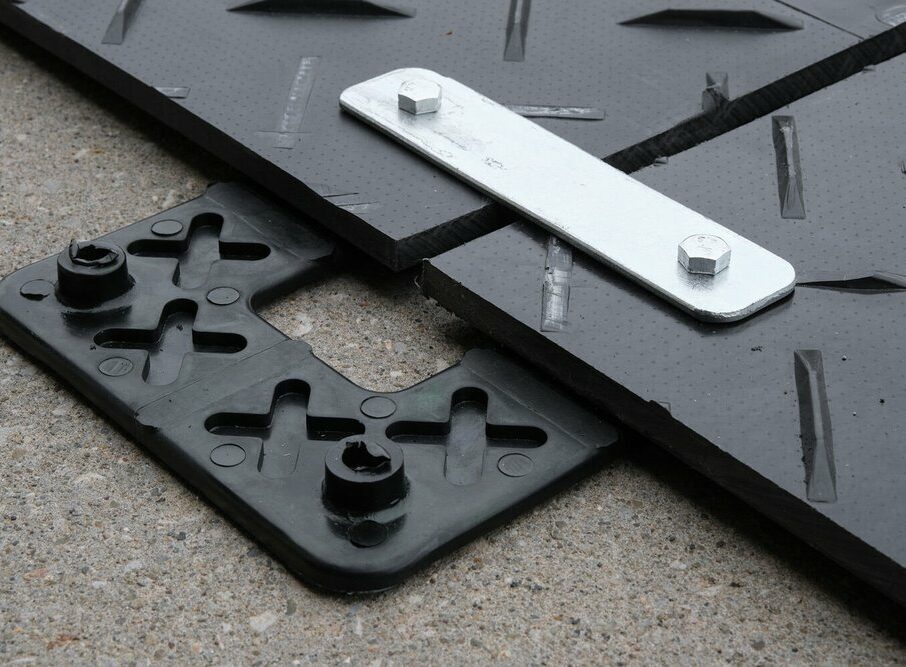
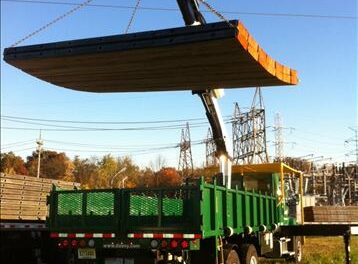
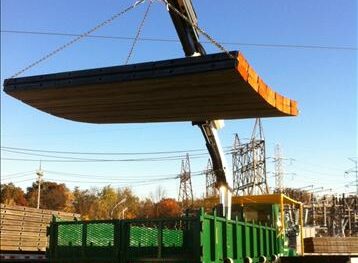
Bog mats (timber ground protection mats) and crane mats (heavy-duty versions) create temporary roads, platforms and support for vehicles, equipment and foot traffic on soft or sensitive ground. They protect the underlying soil from damage by spreading loads evenly. You’ll find them on construction sites, renewable energy projects, events and film shoots. For example, bog mats are used at festivals or film locations to keep vehicles moving without rutting turf. Crane mats serve the same basic purpose (stability and ground protection) but are built much heavier for cranes, piling rigs and other very heavy plant.
Timber bog mats are almost always made from hardwoods. Common species include tropical hardwoods like Ekki (Azobé) and European hardwoods such as oak and beech. Ekki (class 1 durability) is extremely dense, rot-resistant and can support the highest loads – it’s often rated for 50 + years’ service life under normal conditions. European oaks (class 2) and beeches (class 5) are less dense: oak still handles heavy-duty use (15–25 year lifespan), while beech is used for lighter or shorter-term projects (around 5-year lifespan). In practice, Ekki mats are chosen for the most demanding cranes and long-term use, whereas oak/beech mats are a strong but cheaper option for moderate loads. Overall, Ekki mats carry the highest loads and last longest, with oak and beech offering good strength at lower cost.
Standard timber bog mats are typically about 3–6 m long by 1 m wide, though custom lengths (up to ~7 m) exist. Thickness varies by need. Common thicknesses are 70–100 mm (for light vehicles/pedestrian use), 150 mm (suitable for excavators and medium cranes), and 200–300 mm (for heavy cranes and extreme loads). For example, a 100 mm mat might safely carry vehicles up to ~25–30 tonnes, a 150 mm mat ~40–65 tonnes, while 200–300 mm mats can handle cranes and equipment weighing into the tens or even over a hundred tonnes. Your supplier will recommend the right size based on equipment weight and soil conditions.
Crane mat capacity varies with thickness, timber type and ground conditions. As a rough guide:
- 70–100 mm mats (hardwood) typically support light-medium traffic (roughly up to 25–35 tonnes).
- 150 mm mats handle medium-heavy loads (roughly 40–65 tonnes).
200–300 mm mats (often made of Ekki) are for heavy lifting – these can support very large cranes or equipment (tens to over 100 tonnes). Actual capacity also depends on subgrade firmness: mats on firm ground will carry more than on waterlogged soil. Always confirm with suppliers (they can match thickness/type to your load and site conditions).
Yes. Timber mats are generally sustainable when sourced responsibly. Many suppliers use FSC-certified hardwood (from well-managed forests). Wood mats are renewable and biodegradable, unlike plastic or metal alternatives. Because mats protect the soil surface from erosion and compaction, they also help preserve site ecology. Finally, because hardwood mats are reusable for many years, they minimise waste. In short, a quality hardwood bog mat is both a long-lasting and recyclable ground protection solution.